
Geothermal homeowner guide
Geothermal with Solar Panels: Plan Electricity Use & Backup Power
Solar panels can supply electricity used by a geothermal heat pump. Planning the two together means answering three separate questions: how much electricity the home will use, when solar will produce it, and which equipment can operate during an outage. A yearly energy total cannot answer all three.
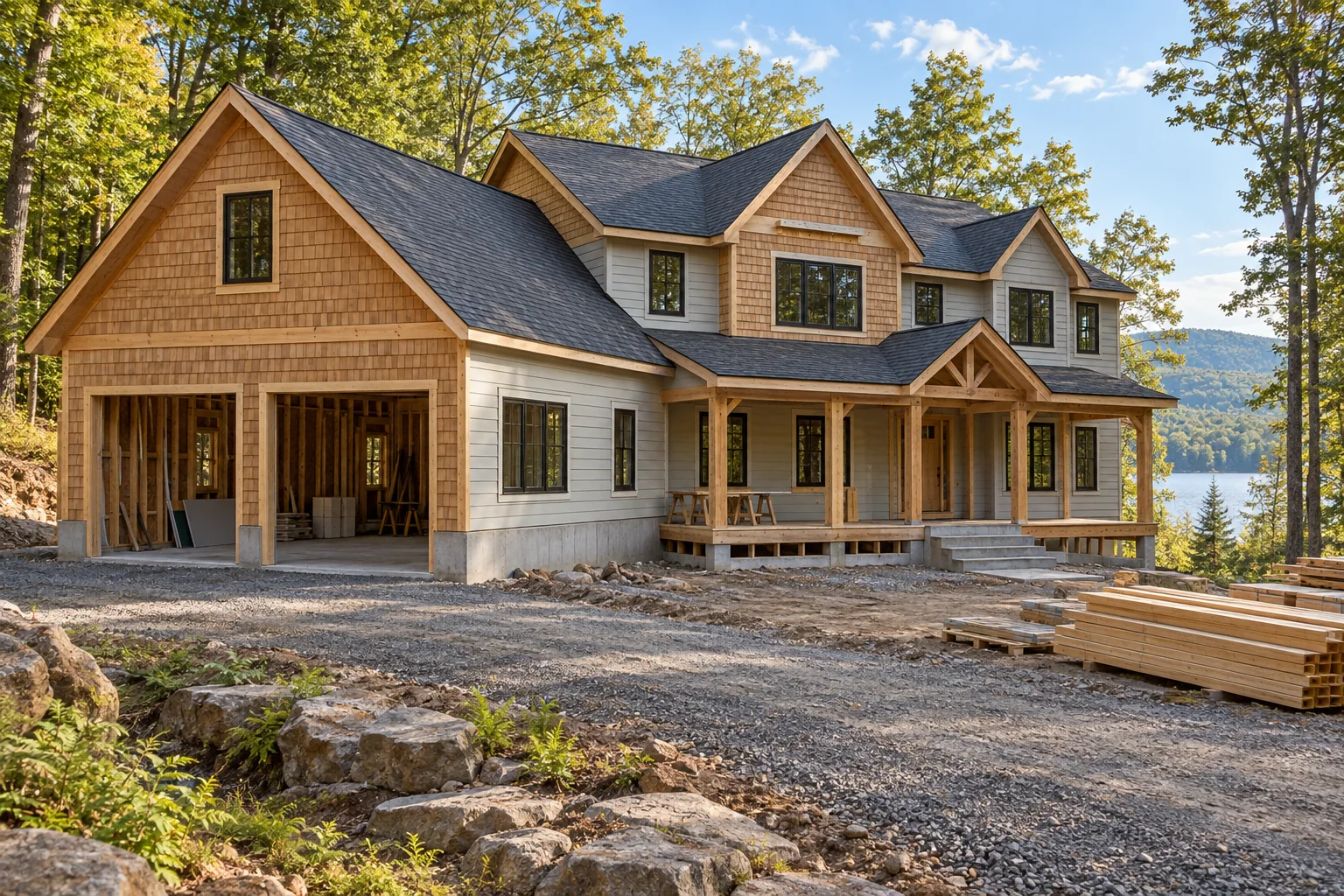
How Solar Panels & Geothermal Heating Work Together
Geothermal moves heat between the home and its ground connection using electricity; DOE’s geothermal fact sheet describes that heat-pump process. Photovoltaic solar panels generate electricity, and an inverter converts their output for use by a home’s electrical system. DOE’s inverter guide explains that conversion.
The practical connection is the home’s electrical supply. A solar proposal does not determine the ground-loop layout or select the geothermal heat pump. Likewise, a geothermal proposal does not establish roof suitability or solar production. Ask the project teams to share the electrical assumptions while keeping each design responsibility clear.
Estimate Electricity Use After the Geothermal Conversion
Give the solar designer current electricity records and explain which fuel-burning equipment geothermal is expected to replace. A solar plan based only on past electric bills can miss the future heating load. Request a geothermal electricity estimate with its stated building, comfort and equipment assumptions, and identify whether cooling, water heating and auxiliary equipment are included.
Also name other planned changes, such as an electric vehicle or a separate heat-pump water heater. Ask the solar proposal to identify which version of household demand it uses. Keep the estimate labeled as a forecast; the geothermal electric-bill guide explains how to organize actual usage after installation.
Compare Solar Production & Geothermal Use by Season
Solar output varies with season, time of day, weather and shading. Electricity demand and generation do not always occur together, as DOE explains in its solar and storage guide. Request monthly production estimates alongside the annual figure so the comparison makes that timing visible.
Suppose two estimates show the same annual kilowatt-hours for solar production and household use. That arithmetic does not demonstrate that solar supplies every hour’s heating demand. Ask how the proposal treats electricity imported from the grid, electricity exported and energy placed in storage. For a Syracuse home, use the actual site estimate rather than borrowing a panel count or production example from another city.
Solar Bill Credits & Geothermal Operating Costs
Equal annual production and use also do not automatically produce a zero bill. DOE’s homeowner solar guide identifies utility rates and compensation for exported electricity as factors in financial outcomes. Ask your utility and solar provider which current billing arrangement the proposal assumes and where the applicable terms are documented.
Keep equipment payments, electricity charges and any credits visible as separate lines. If someone provides a combined solar-and-geothermal savings forecast, request the two underlying estimates and the way they were combined. This lets you see whether both proposals count the same benefit or omit an ongoing charge. It also makes later changes easier to update.
Will Solar Run a Geothermal Heat Pump During an Outage?
Do not assume that installed panels provide backup heating. DOE explains that solar-plus-battery systems need appropriate inverter capability and design to operate without the grid. Ask for a specific description of which circuits remain powered, how the system changes operating mode and what happens when available battery energy is low.
Discuss the full heating arrangement with the electrical designer: the heat pump, circulation equipment, controls and any auxiliary heat. Request confirmation that the proposed backup equipment supports the intended loads and operating conditions. The winter backup-heat guide distinguishes supplemental heating from electrical backup. A statement that the home has both does not explain how they work together.
Battery Power, Stored Energy & the Heating Plan
Battery specifications separate power capacity from stored energy. Power describes how much can be delivered at a time; energy describes how much is available over a period. DOE’s storage guide distinguishes these measures. Ask the designer to check both, including equipment starting requirements and other household loads sharing backup power.
Define the goal before comparing battery options: keeping selected essentials operating, supporting some heating, or serving a broader set of household loads. Ask what duration the analysis assumes, how weather and solar replenishment are treated, and which loads are excluded. A battery’s advertised capacity alone does not establish how long your geothermal system will run.
Coordinate Geothermal Installation with Solar Planning
Share the proposed geothermal equipment, electrical requirements and estimated usage with the solar and backup-power team. In return, request the generation estimate, backup circuit plan and unresolved electrical questions. Identify who coordinates any shared electrical work before either installation is scheduled.
Start with the geothermal installation guide and use the home system map to organize your conversion. Add existing or planned solar and your outage goal to the geothermal quote brief. Treat solar installation and storage as separately specified work with their own responsible providers.